Waking at 3 a.m. in Perimenopause: What’s Actually Happening
Published


Clinically reviewed by Dr. Alaina Totton, ND, Naturopathic Resident, Bastyr University Clinic
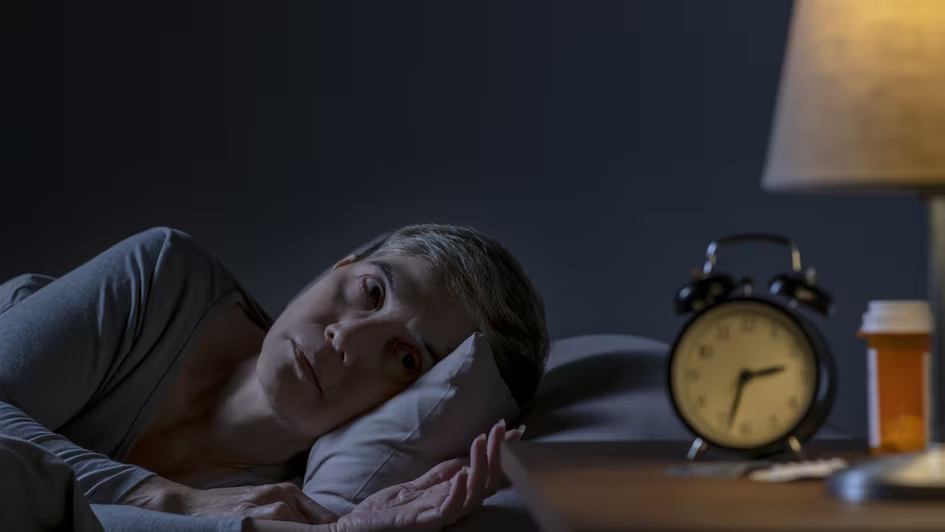
You fall asleep without trouble. Then your eyes open at 3 a.m., and your mind starts racing. You spend the next hour or two trying to get back to sleep without success. By morning, you’re tired and short-tempered. You wonder why your sleep is so different from what it used to be.
If this started in your 40s, especially alongside other changes, several possible causes are worth exploring. Hormones may play a role, but they are not the only possible cause. A medical evaluation looks at the different factors that may affect your sleep.
Two free ways to get answers
You don’t need an appointment to start making sense of what’s happening. Both of these are free and open to anyone.
Come to a free workshop
Perimenopause: The 3 a.m. Wake-Up is a free, 60-minute evening talk. Beyond sleep, it covers mood, energy, focus, why normal labs may not explain how you feel, and options from everyday foundations to hormone therapy. Bring a friend.
Start with a log
Our free six-week symptom tracker covers sleep, cycle, mood, digestion, and temperature. Bring it to any appointment, with us or anyone else.
How common is my experience?
Each year about two million American women enter perimenopause. Perimenopause lasts four to eight years, on average. It can affect sleep. Often a pattern of interrupted sleep is a sign you are entering early perimenopause.
Three-quarters of women age 45-54 report perimenopausal or menopausal symptoms. Common symptoms reported by those in perimenopause include:
- 80% irritability
- 76% sleep problems
- 75% anxiety
- 71% hot flashes
Other common experiences include:
- Weight gain or fluctuation without eating more or changing what you eat.
- Fatigue and reduced energy levels.
- Joint stiffness, discomfort and pain.
- Brain fog, feelings of overwhelm, and forgetfulness.
When a symptom is not on the list of things you were warned about, you are more likely to blame yourself, your stress level, or your habits. Very often the first piece of advice is better sleep hygiene. For many people in this situation, that advice does not address the cause.
Why the menopause transition can disrupt sleep
Recent research on perimenopause and menopause discusses several possible triggers for symptoms. More than one may be involved at the same time.
Fluctuating hormones, not just falling ones. In perimenopause, estrogen and progesterone do not decline smoothly. They swing. Progesterone has a calming effect on the nervous system and is associated with deeper sleep. Unpredictable progesterone levels can make sleep lighter and easier to interrupt.
Temperature regulation. Estrogen helps regulate the body’s temperature. Even without a hot flash, small temperature surges at night can pull you out of sleep. Some people remember being warm or damp when they wake. Many do not and only know they are awake.
The stress response. Cortisol naturally begins to rise in the early morning hours. When your nervous system is already more reactive, that normal rise can tip you into full alertness. The anxious thoughts that follow can feel like the cause rather than the effect.
Blood sugar. For some people, a night-time dip can trigger a stress response and wake them. Evening eating patterns, alcohol, and caffeine can all play a role.
These possible explanations are not a diagnosis. They are reasons to take a closer look at night waking for women in their 30s, 40s, and 50s.
What else can cause 3 a.m. waking?
A naturopathic medical evaluation looks at other possible causes rather than assuming the transition to menopause explains your sleep problems. Other common factors include:
- Sleep apnea: It is under-recognized in women. Sleep apnea becomes more common around midlife. Loud snoring, gasping, morning headaches, and feeling unrefreshed after sleep can indicate sleep apnea.
- Thyroid conditions: An overactive thyroid can cause waking, racing thoughts, and heat intolerance.
- Anxiety and depression: Mental health issues can cause sleep disruptions. On the flip side, physical sleep disruptions can intensify mental health issues.
- Iron deficiency and restless legs: Both can fragment sleep.
- Medications and substances: Alcohol, caffeine, and some prescriptions can interfere with sleep and sleep quality.
- Pain that is worse when you are lying still.
How to figure it out
These are general measures, not a treatment plan:
- Keep a record. Note when you wake, and what you feel. Pay attention to what you ate and drank. Consider where you are in your menstrual cycle if you have one. Patterns that are invisible in the moment often show up on paper.
- Notice evening alcohol. Alcohol can help you fall asleep and then fragment the second half of the night.
- Keep your bedroom cool. This can help you get deeper sleep. It may also help hot flashes pass a little faster.
- If you are awake and feel anxious, get up and do something quiet and calming in low light. Read a boring book. Try meditation or prayer to ground your mind.
How we approach midlife health needs for women at Bastyr Clinics
Your first visit is a full hour with a supervising clinician and two or three advanced student clinicians. We review your health history before your visit.
Depending on what we learn from your health history and our conversation during your visit, we may recommend care that includes:
- In-depth laboratory testing. We go beyond a standard panel if your symptoms or health history warrant it.
- Nutritional approaches to support improved health without side-effects.
- Natural hormone management through nutrition and supplementation.
- Prescription hormone management, when it is appropriate for you.
- Support for coming off a medication that is not a good fit for you. Tapering is done gradually and with supervision.
- Hydrotherapy as a natural way to reduce discomfort and swelling and improve movement.
- Intravenous nutrient therapy to help your body absorb the vitamins and minerals it needs.
- Microbiome testing, when symptoms point to a connection between gut function and hormones.
Not all these care modalities are right for every person. In fact, several of them will not be right for you. Part of the first visit is working out which are worth doing, and we will tell you plainly when we think something is not.
If the health issues you describe point to something that belongs elsewhere, such as a sleep study, we will say so and refer you to a specialist.
Ready to start?
If you’d like to learn more on your own first, start here. Both are free.
Register for a free workshop →
Download the symptom tracker (PDF) →
If you’re ready to talk with someone, our patient services team can help you take the next step.
Request a free 15-minute call →
Request an appointment →
This article is for general education and is not medical advice. It does not establish a patient-provider relationship. Please consult a qualified healthcare provider about your own symptoms.