Considering a Career in Complementary and Integrative Health Care?


New Research Offers Insight About Quality of Life for Health Care Professionals
If you’re considering a career in complementary and integrative health care (CIH) as an acupuncturist, naturopathic medicine doctor, or midwife, you are entering a rapidly growing field. More patients are looking for holistic, whole-person care. Patients are turning to CIH professionals to fill that need.
You may be asking: what is day-to-day work life like for a practitioner in the healing professions? A recent PubMed-indexed study published in the Journal of Occupational and Environmental Medicine titled Working Conditions in Complementary and Integrative Healthcare Professions examines the working conditions of acupuncturists, chiropractors, massage therapists, midwives, and naturopathic doctors. The researchers surveyed professionals across naturopathic medicine, midwifery, acupuncture, chiropractic, and massage therapy practices to understand the physical demands of their work. Researchers reviewed:
- Work schedules of complimentary and integrated health care professionals.
- Physical demands of health care work.
- Clinical care environments and ergonomics.
- Stress levels of the healers.
- Overall job experience of the integrated care practitioners.
If you’re considering graduate education to become a midwife, acupuncturist or a naturopathic medicine doctor, this research offers valuable insight about:
- What you can expect in your future as a member of an integrated medicine team.
- How to build healthy habits into your work as an integrated care professional.
- What to do to make your career as a healer satisfying and sustainable.
Big Picture: Healing Work is Rewarding Work with Some Challenges
One of the strongest themes in the study is that naturopathic doctors, midwives, and acupuncturists genuinely love their work. Healing others is personally fulfilling and aligns with the values of these health care professionals. For many, helping people heal naturally and supporting wellness brings a sense of purpose that keeps them committed.
At the same time, the study shows that the work can be physically demanding, emotionally intense, and sometimes unpredictable. Practitioners often balance clinical care with business tasks. This can result in long hours, and high client expectations.
If you’re preparing to enter the complementary and integrated health care field, understanding these realities now will help you build better habits, choose practice settings that support you, and avoid burnout.
What the Research Found and What It Means for Integrated Health Care Pros
1. Physical strain is a concern
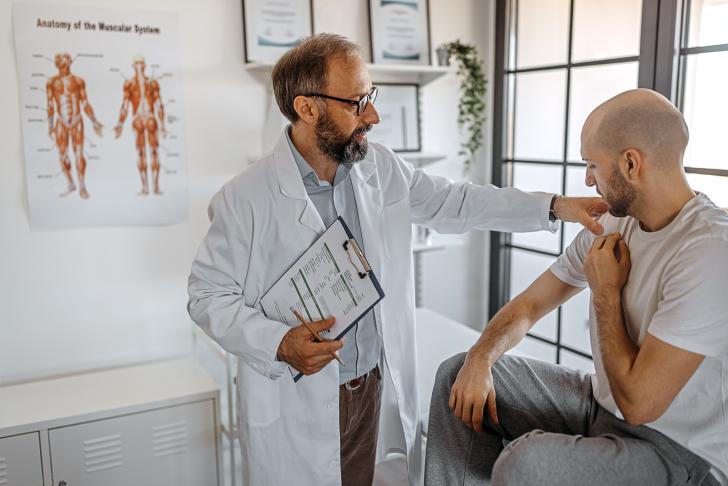
Many complementary and integrative healthcare therapies require repetitive motions, sustained postures, and hands-on techniques. Over time, this can lead to strain in the hands, wrists, back, shoulders, and neck. Practitioners who perform manual therapies report the highest physical demands.
What this means for students
You already know healthy habits are the building blocks for a prolonged health span. Start learning about practitioners’ ergonomics now. Implementing safe body mechanics during your training will protect your health later.
2. Workload can be intense, especially when you’re new
The study found that many CIH practitioners work long or irregular hours. Midwives often work evenings, nights, and weekends because births do not adhere to schedules. New naturopathic medicine doctors and acupuncturists, especially those building a private practice, often take on more hours to gain experience and earn more.
What this means for students
Be realistic about the nature of your work. Your role as a healer requires an investment of time and energy. To stay healthy yourself, it’s important to learn how to manage your schedule, and allow for rest, which makes you a better clinician.
3. Business responsibilities can be bigger than you think
Running or joining a practice involves more than client care. Many survey respondents said administrative tasks, including management of marketing, billing, and scheduling were their most significant sources of work-related stress.
What this means for students
Consider best practices to develop the business skills needed to advance your career. Whether you graduate and open a private practice, join a group practice, or are an employee in an integrated care network, you need business skills for today’s workplace.
Some ways to gain the skills you need to advance on the business side of complementary and integrated health care include:
- Engage with Bastyr University’s Office of Alumni Relations to enroll in free, post-graduate learning that supports business success, and join the Bastyr University Alumni page on LinkedIn.
- Find a business mentor who can support your needs for professional development. Some resources for mentorship include the U.S. Small Business Administration SCORE mentorship program, and 10,000 Small Businesses. Your professional liability insurance provider may also provide business skills classes for free.
4. It's common for complementary and integrative health care practitioners to feel professionally isolated
Many complementary and integrative health care professionals work independently or in small practices. As a result, practitioners can feel alone, without colleagues to lean on.
What this means for students:
Build your professional network during school. Mentors, peer groups, and professional associations make a positive difference in long-term career health.
- If you’re part of a group practice or a private practice owner, it is a good idea to get involved in local business groups. Many cities, and even neighborhoods have a Chamber of Commerce that helps connect business owners with shared interests.
- Consider attending one or more professional events each year. Choose events that foster connection with integrated care professionals and provide you with continuing education.
- Acupuncturists can connect through the Council of Colleges of Acupuncture and Herbal Medicine.
- Midwives are organized in many states. Midwives often engage in lobbying efforts and help shape policy for mothers, birthing people, and babies.
- Naturopathic medicine doctors can choose from several associations and events. Bastyrians often attend the American Association of Naturopathic Physicians Convention. The Association of Accredited Naturopathic Medical Colleges provides ample opportunity for continuing education and connection.
Job Satisfaction Among Complementary and Integrated Health Care Professionals is High
Despite schedules that are at times demanding, most complementary and integrated health care professionals report that helping people heal is deeply rewarding work. The acupuncturists, midwives, and naturopathic doctors who took part in the study, say they value autonomy, patient relationships, and the sense of purpose derived from healing work.